
Trusted Neighbors Serve Our Elections
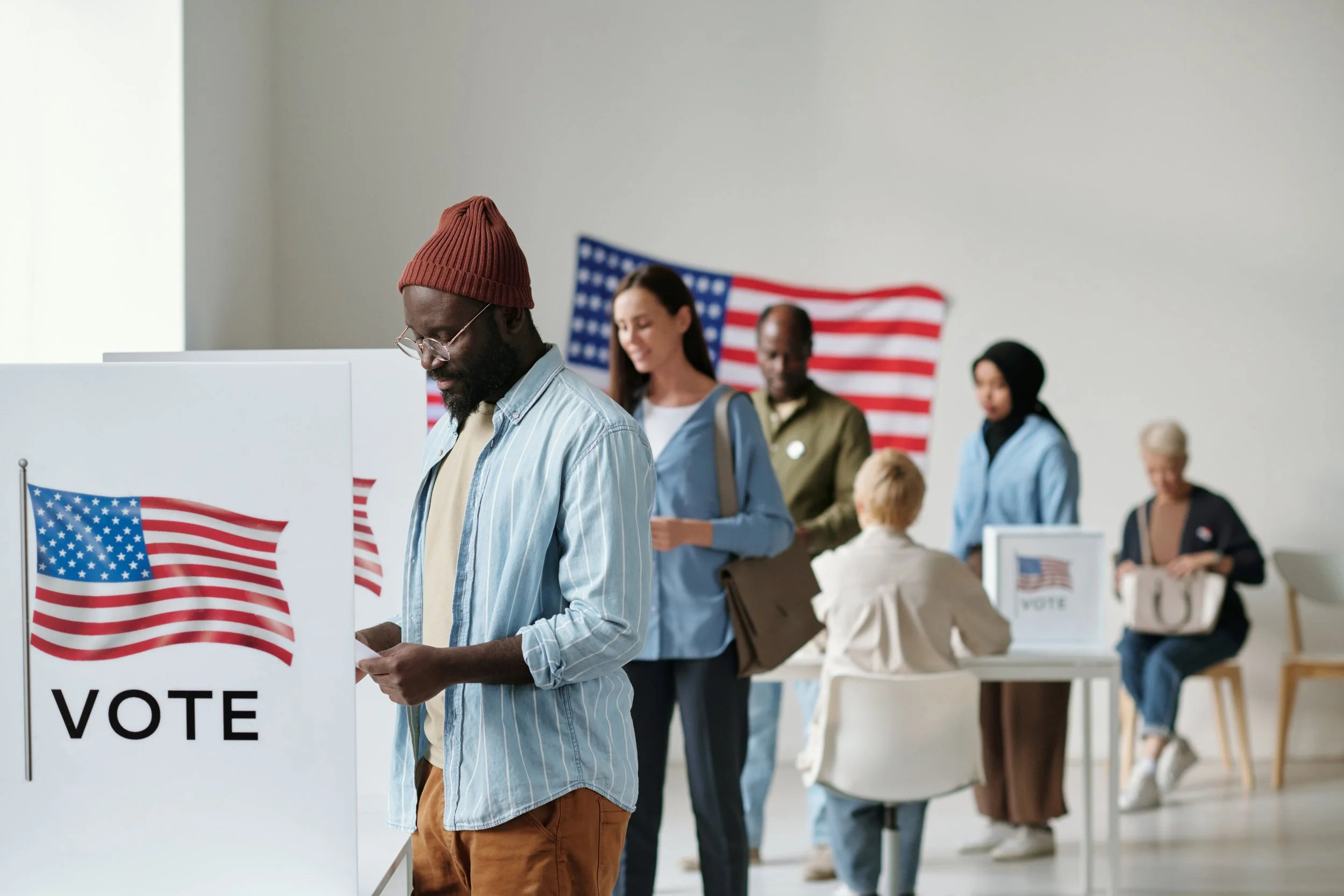
American elections are run by people from your own community — veterans, teachers, retirees, and neighbors working side by side.
We are recruiting community leaders across America to serve their local elections — as poll workers, certified observers, and steady civic presences before, during, and after Election Day.
About Advancing Liberty Coalition (ALC)
ALC is an unlikely coalition: Mormon and evangelical women and men, veterans and military families, disability advocates, business leaders, and community organizers.
We come from different backgrounds and different political traditions. We are united by one conviction: our elections must be free, fair, conducted lawfully, and accepted peacefully — no matter who wins.
Trusted Neighbors is the Advancing Liberty Coalition’s campaign to recruit and train community leaders across America to serve their local elections — as poll workers, certified observers, and steady civic presences before, during, and after Election Day.
What weakens our democracy isn’t any candidate or party — it’s the division that makes us stop trusting our neighbors. Trusted Neighbors is about choosing something different. This is not about politics. It’s about doing our civic duty.
How you can become a Trusted Neighbor
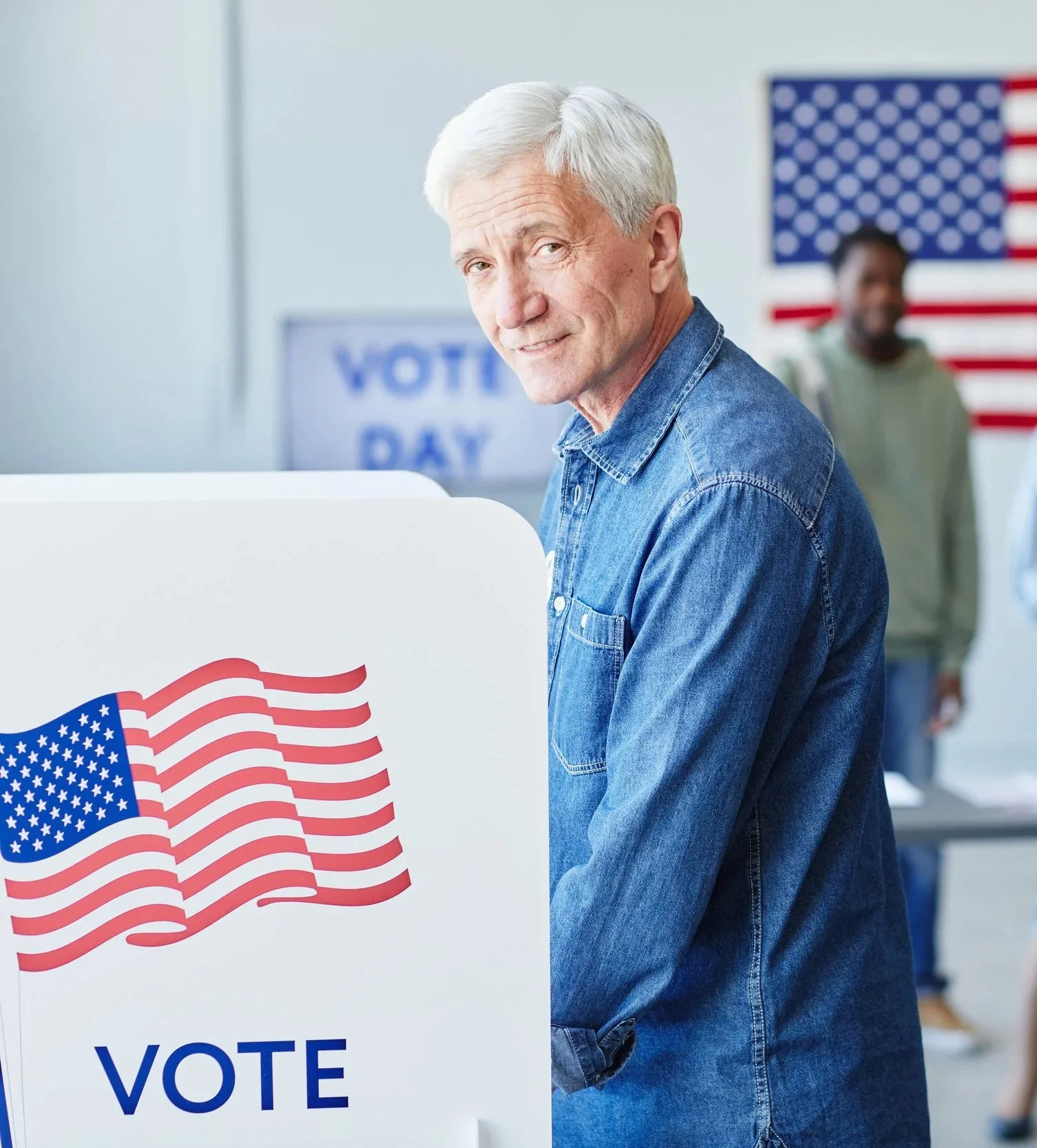
Election confidence comes from citizens who stay involved — who vote, who serve, who stay informed, and who bring their neighbors along. Trained Trusted Neighbor volunteers serve in four roles:
Poll Worker
Nonpartisan Observer
Internal Communications Coordinator
Civic Narrator

Join community leaders across America
Become a Trusted Neighbor — join community leaders across America to serve your local elections. We offer a three-part training series to teach local leaders how to ensure elections are community efforts, run locally by people who live in the places they serve.
Training 1: How Elections Work — the technical side of ballot security, election processes, and what normal elections look like.
Training 2: Building Community — how to welcome, organize, and sustain a local network of civic participants.
Training 3: Civic Narrator — how to use first-hand observation to get accurate information into the public conversation.